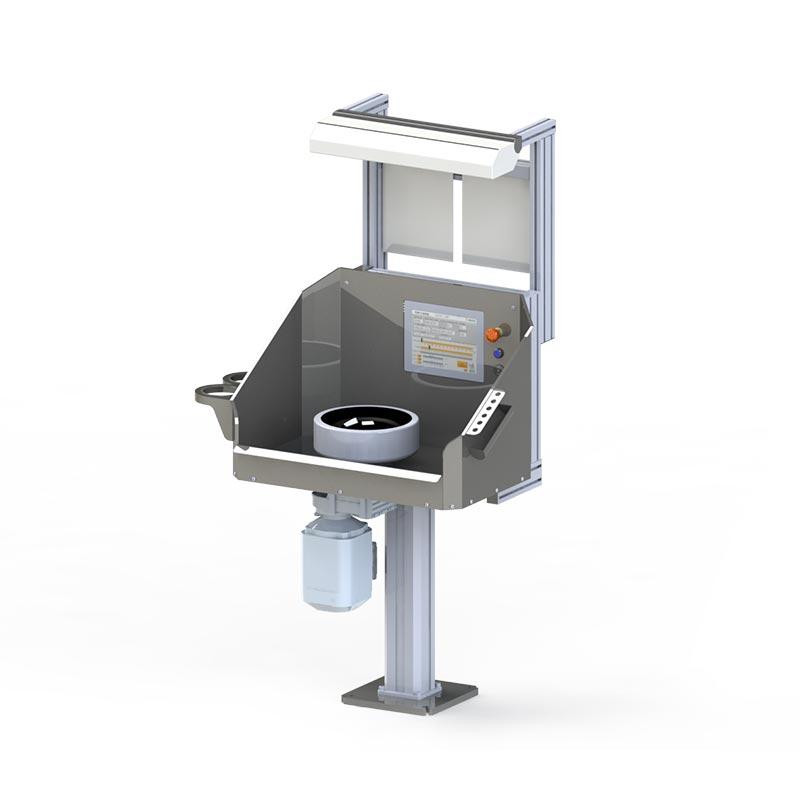

Project management in industry is a key factor in improving quality. Well-planned and managed projects ensure that production processes are efficient, error-free and meet customer requirements. Project management helps to anticipate and manage risks, optimise the use of resources and ensure that all parts of a project work seamlessly together. This leads to higher quality and improved customer satisfaction.
The importance of project management in industry
Project management in industry is an essential part of managing production processes. It covers all stages from planning to implementation and monitoring. Well-implemented project management ensures that projects are on time, on budget and meet quality requirements. This is particularly important in industry, where even small errors can lead to significant costs and production delays.
Project management can also improve communication and collaboration between different departments and teams. This reduces misunderstandings and ensures that all parties are aware of the project objectives and requirements. In addition, project management helps to identify and resolve problems quickly, before they affect the quality of production.
Industrial project management also enables continuous improvement. The knowledge and experience gained during projects can be applied to future projects, leading to continuously better results and higher quality. This is particularly important in a competitive market where quality and efficiency are key.
Key project management tools and methodologies
Industrial project management uses a wide range of tools and methods to help manage projects effectively. One of the key tools is project management software, which allows you to plan, monitor and report on projects. Software such as Microsoft Project, Asana and Trello offer a wide range of features that make it easier to manage projects and improve communication between teams.
Lean and Six Sigma methods are also widely used in industrial project management. Lean focuses on improving productivity and reducing wasted time and resources, while Six Sigma aims to reduce errors and improve quality through systematic and statistical methods. Combining these methods can lead to significant improvements in production efficiency and quality.
Agile project management is another important method that has become widespread in industry. Agile emphasises flexibility and rapid response to change, which is particularly useful in dynamic and fast-changing environments. Agile project management can be used to improve team collaboration and ensure that projects run smoothly and efficiently.
How does project management affect quality control?
Project management has a direct impact on quality control in many ways. Firstly, it allows for more accurate planning and anticipation, reducing the risk of errors and problems. Well-planned projects include clear quality requirements and standards that guide production processes and ensure that final products meet customer expectations.
Project management also allows you to monitor and measure quality continuously throughout the project. This allows you to react quickly to potential quality problems and correct them before they affect the final product. Quality control tools and methods, such as Quality Management Systems (QMS) and Statistical Process Control (SPC), are key elements of project management and help ensure high quality.
In addition, project management promotes continuous improvement and learning. The knowledge and experience gained during projects can be analysed and used in future projects, leading to continuously improved results and higher quality. This is particularly important in industry, where quality and efficiency are key to remaining competitive.
Hefmec’s role in industrial project management
Hefmec specialises in industrial project management and offers its customers comprehensive solutions that improve production quality and efficiency. We have extensive experience in managing a wide range of industrial projects, using best practices and methodologies to ensure that projects run smoothly and meet quality requirements.
Hefmec’s experts support customers at all stages of a project, from planning to implementation and monitoring. Our team of experienced project managers, engineers and designers work closely with clients to ensure that projects meet all requirements and expectations. We use modern project management tools and methodologies that improve communication and collaboration between teams.
Hefmec’s commitment to quality and customer satisfaction is at the heart of our business. Our goal is for the customer to feel confident when Hefmec takes on a project – and when we get to work, we take responsibility. This commitment is reflected in everything we do and ensures that our customers receive the best possible service and quality. Contact us!